01
Biblical Studies & Languages
Old Testament, New Testament, hermeneutics, Hebrew, Greek, and biblical theology
Faculty
Life Seminary faculty unite theological scholarship, Christian formation, and ministry practice in service of students across the global church.
School of Theology and Ministry
Faculty work is organized around six connected areas of theological learning. Together, these disciplines support every bachelor’s, master’s, and doctoral pathway.
Old Testament, New Testament, hermeneutics, Hebrew, Greek, and biblical theology
Christian doctrine, ethics, apologetics, church history, and historical theology
Preaching, pastoral care, church leadership, ecclesiology, and ministry practice
Soul care, spiritual direction, discipleship, family ministry, and Christian formation
Missiology, evangelism, intercultural ministry, world Christianity, and public witness
Worship theology, sacred music, catechesis, curriculum, and congregational learning
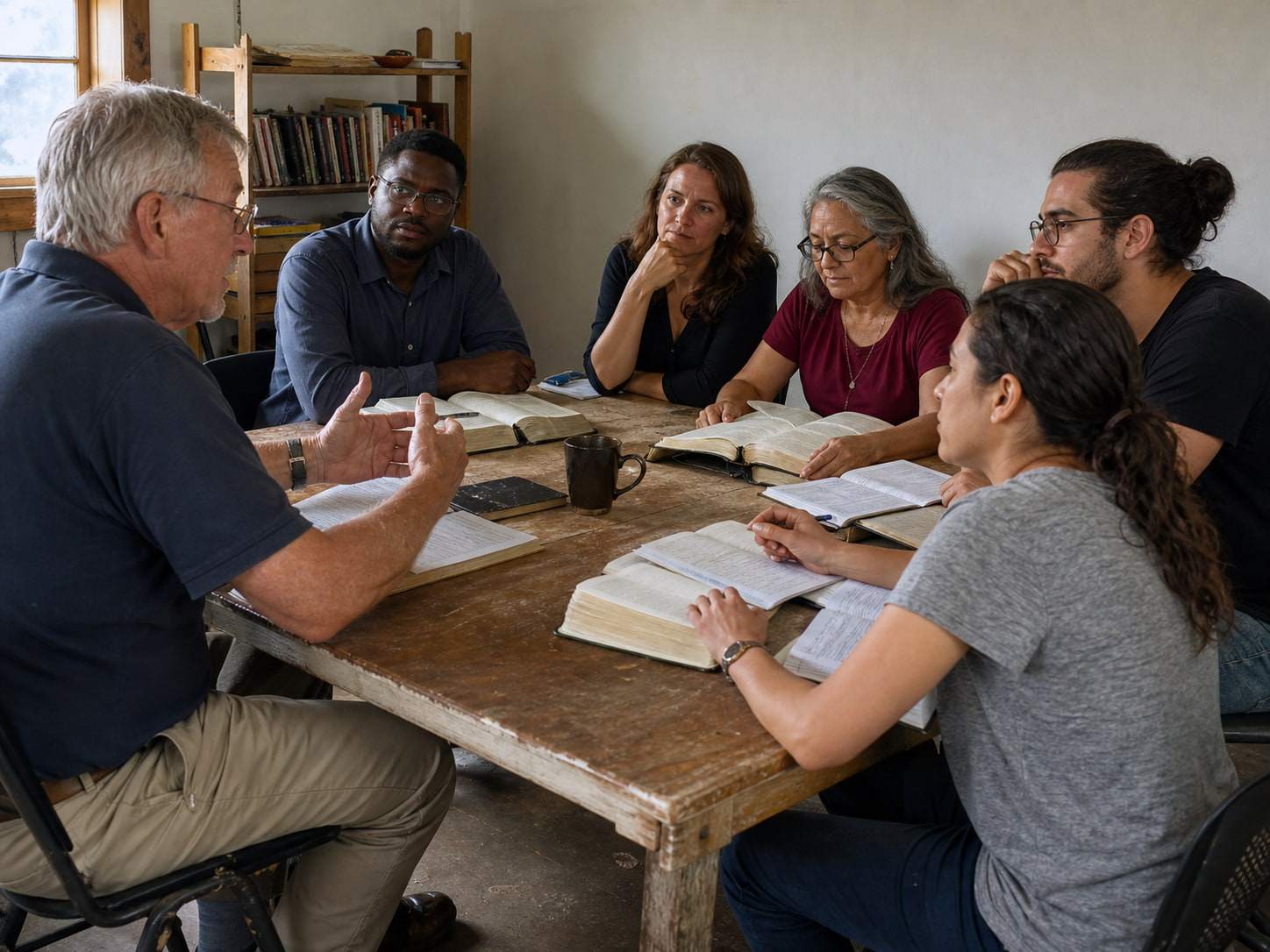
A shared teaching vocation
Teach from a posture of biblical fidelity and historic Christian faith
Join academic rigor with spiritual maturity and pastoral wisdom
Design assessments around clear, program-specific learning outcomes
Help students connect theological study with their ministry context
Appointment standards
Faculty do not only hold degrees. They hold the seminary’s confession and answer to its published academic standards.
Every appointment affirms the ten articles and the ecumenical creeds. Doctrine here is taught from inside the confession, not merely about it.
Faculty hold a doctoral or equivalent qualification in the discipline they author, and are appointed by the Academic Dean on the recommendation of the Faculty Senate.
Those who write pastoral and homiletical material have carried pastoral responsibility themselves. The seminary does not teach ministry from theory alone.
Course outcomes, question banks, and pass marks are all published. Faculty work is reviewed against them by the Assessment Committee rather than held privately.
Faculty work
This is a competency-based seminary, so faculty influence arrives through what they write and what they set, rather than through a lecture hall.
Every pathway requirement group, credit weight, and learning outcome is authored and reviewed by faculty in the discipline.
The question banks behind every qualifying examination are written, audited for quality, and published into pathway-specific browser banks from the authoritative examination corpus.
Documented ministry service and previous study are read against published outcomes by faculty reviewers, and what is accepted is recorded.
Reading, sources, and course descriptions are revised on a regular cycle so the published plan matches what is actually assessed.
Explore the theological programs shaped by these faculty disciplines, from foundational biblical study to advanced ministry and doctoral research.